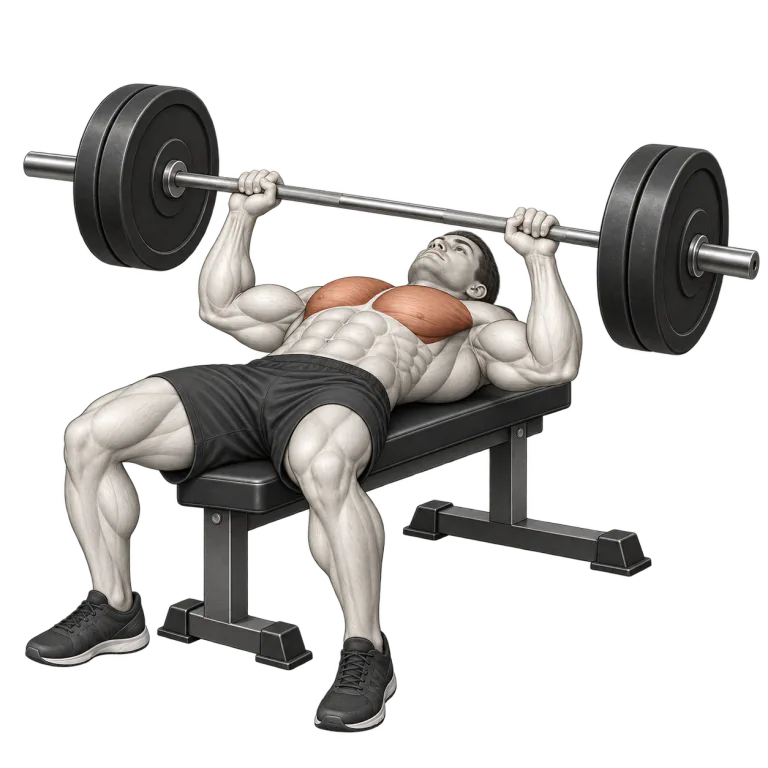
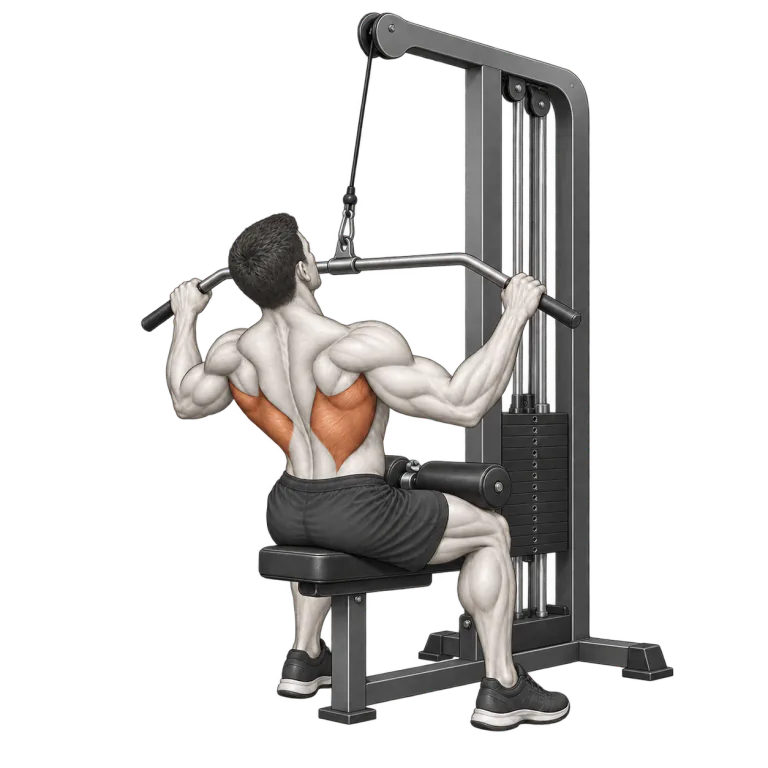
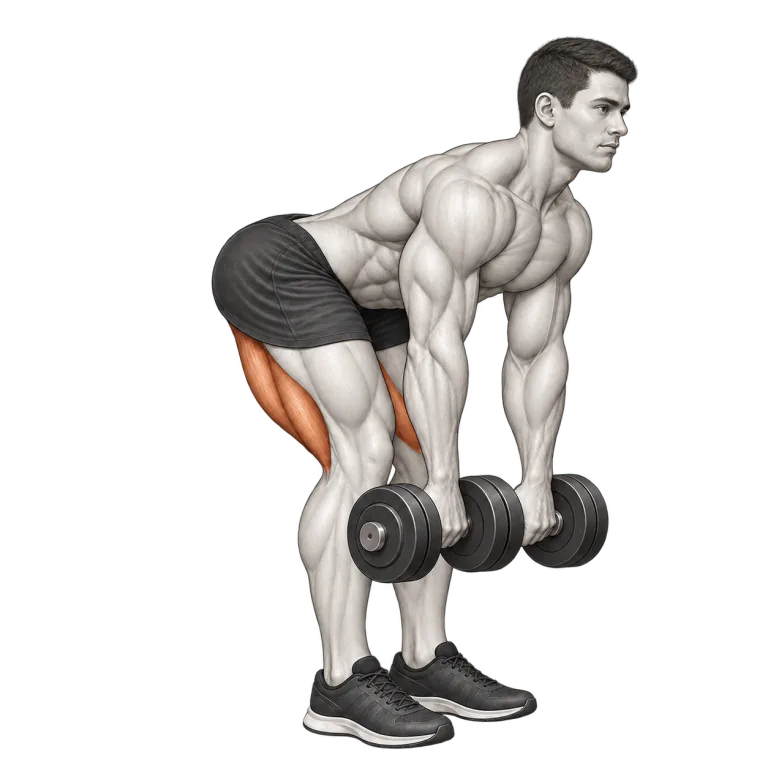
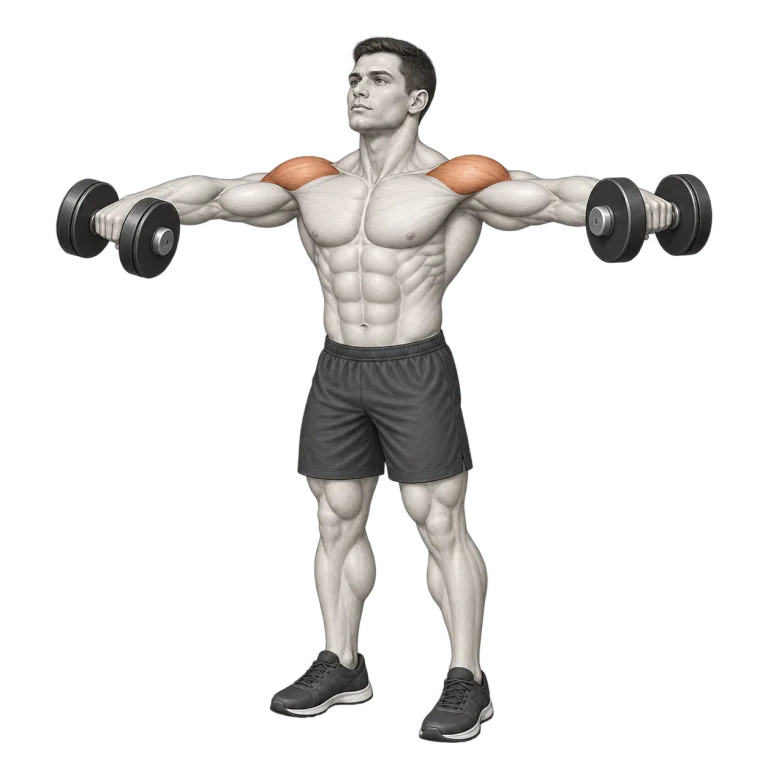
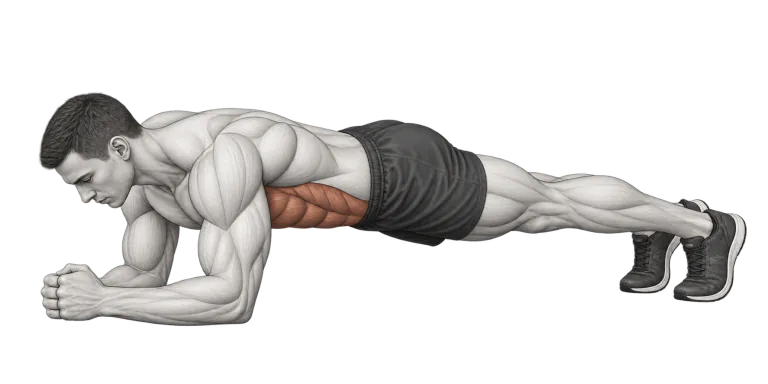
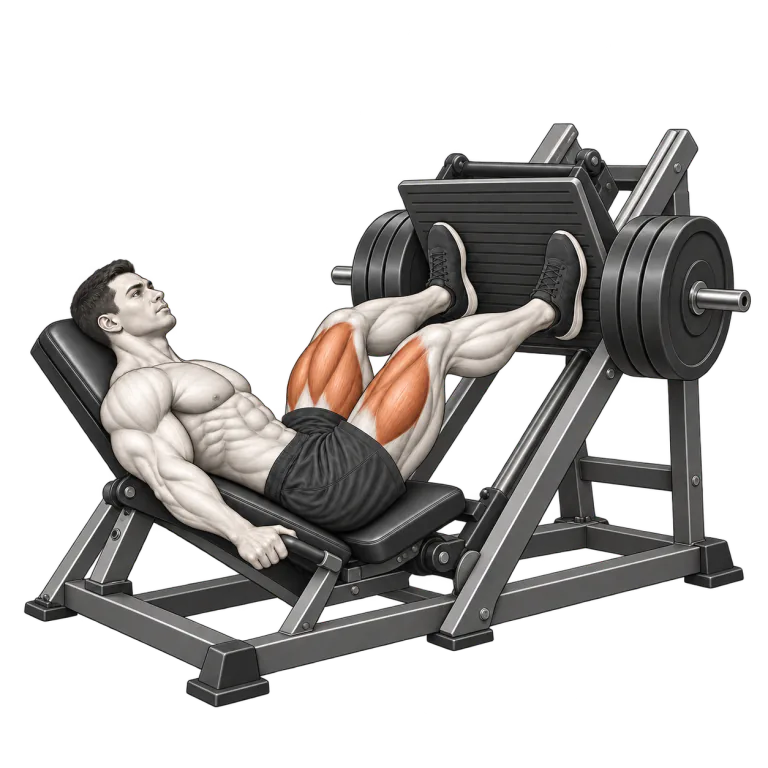
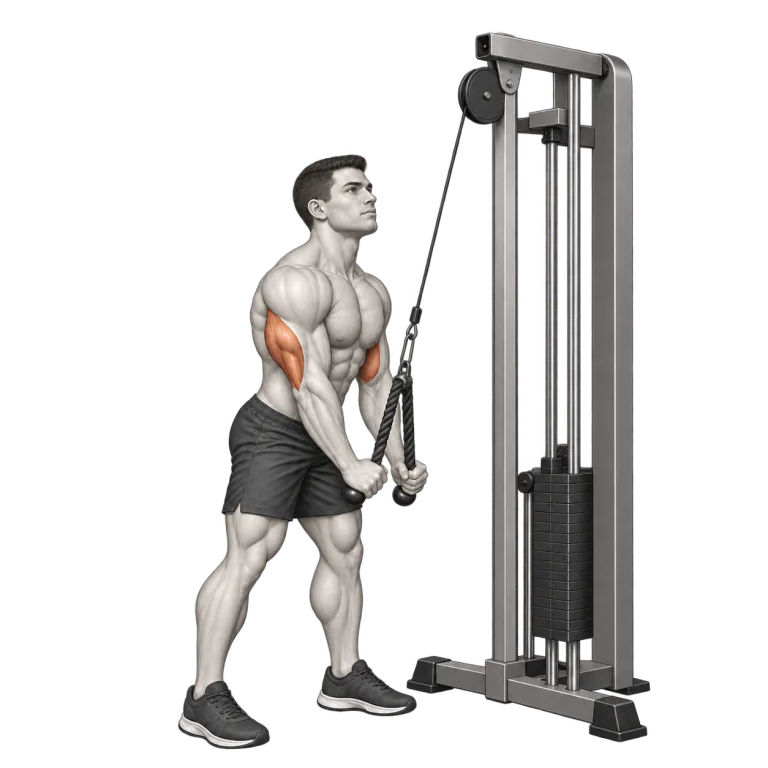
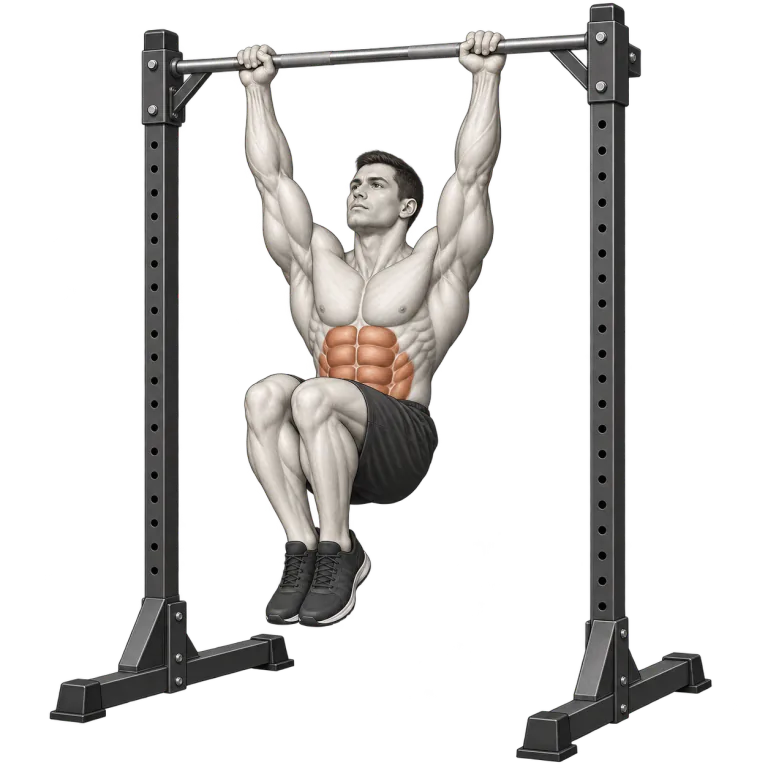
Day A.
Squat, bench, pulldown
| Exercise | Sets × reps |
|---|---|
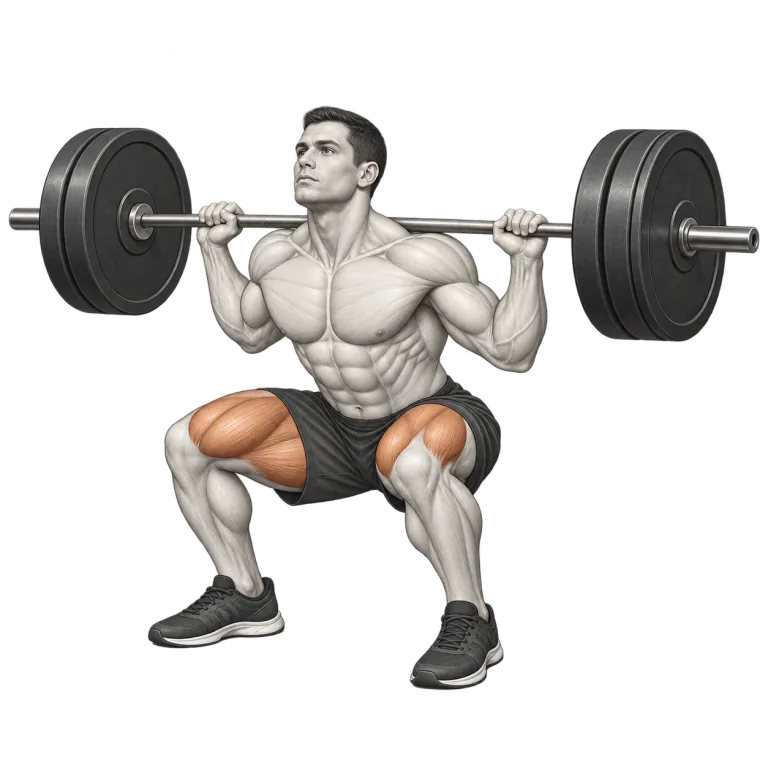
| 3 × 6–82.5 min rest | |
| 3 × 6–82.5 min rest | |
| 3 × 8–1290 s rest | |
| 2 × 8–1090 s rest | |
| 2 × 12–1560 s rest | |
| 2 × 30–45 s60 s rest |
Free program · Full body
Three sessions a week, each training the whole body: a squat day, a deadlift day and a dumbbell day. Every muscle is worked three times a week with a rest day after each session, which makes this the most reliable way to start lifting, and a solid one for anyone short on time.
Squat, bench, pulldown
| Exercise | Sets × reps |
|---|---|
| 3 × 6–82.5 min rest | |
| 3 × 6–82.5 min rest | |
| 3 × 8–1290 s rest | |
| 2 × 8–1090 s rest | |
| 2 × 12–1560 s rest | |
| 2 × 30–45 s60 s rest |
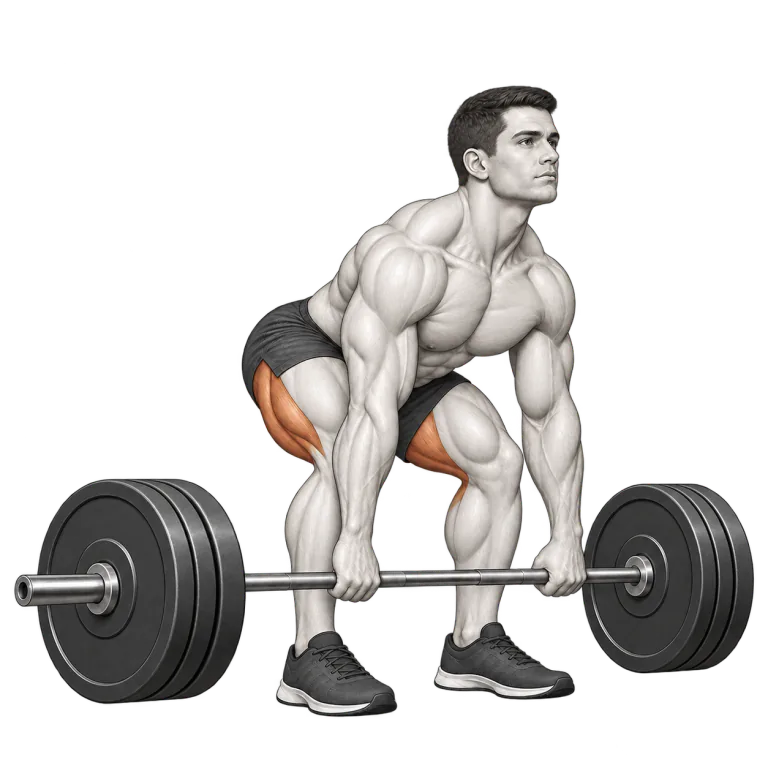
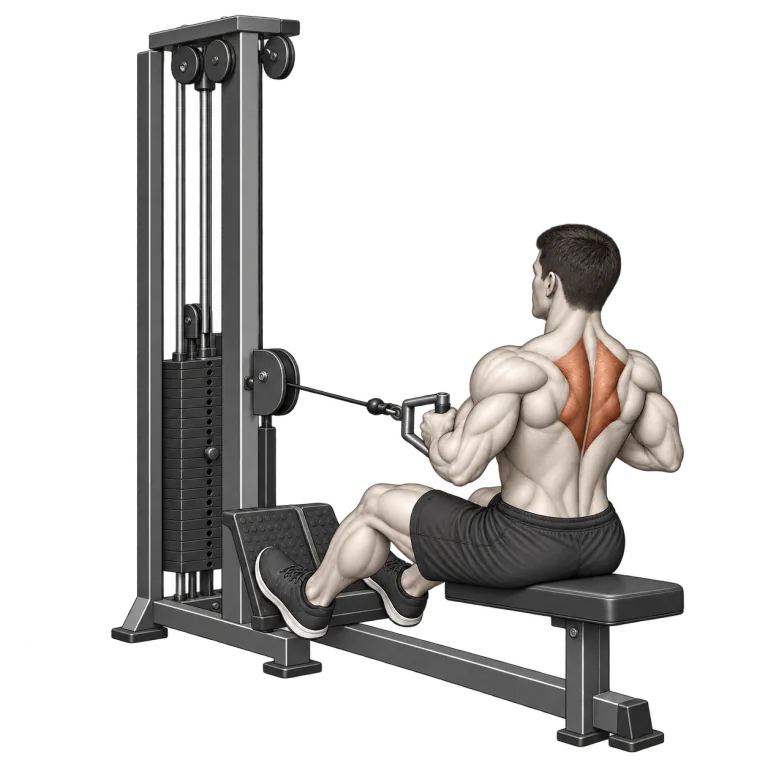
Deadlift, press, row
| Exercise | Sets × reps |
|---|---|
| 3 × 53 min rest | |
| 3 × 8–102 min rest | |
| 3 × 8–1290 s rest | |
| 2 × 10–122 min rest | |
| 2 × 10–1260 s rest | |
| 2 × 10–1260 s rest |
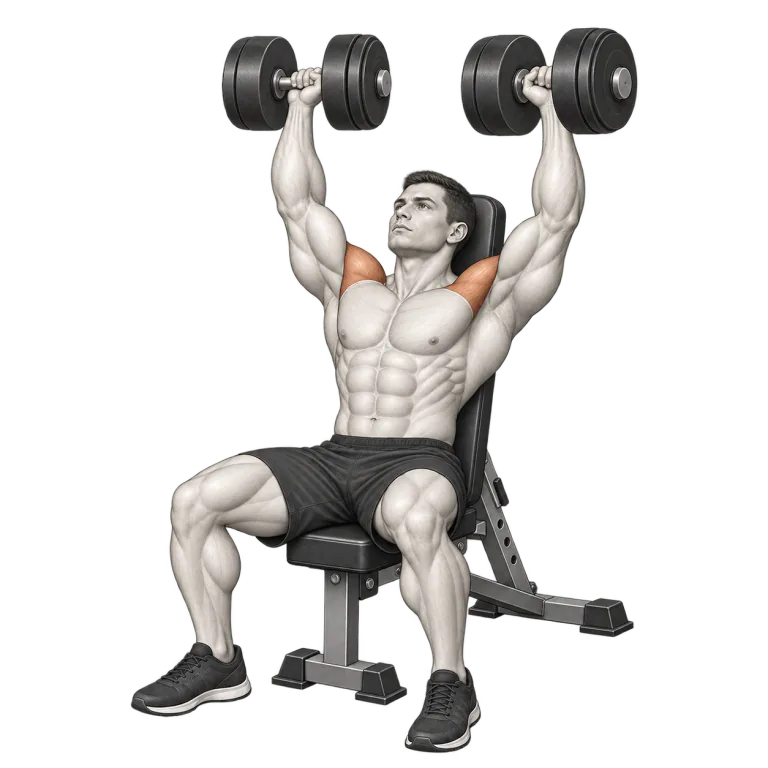
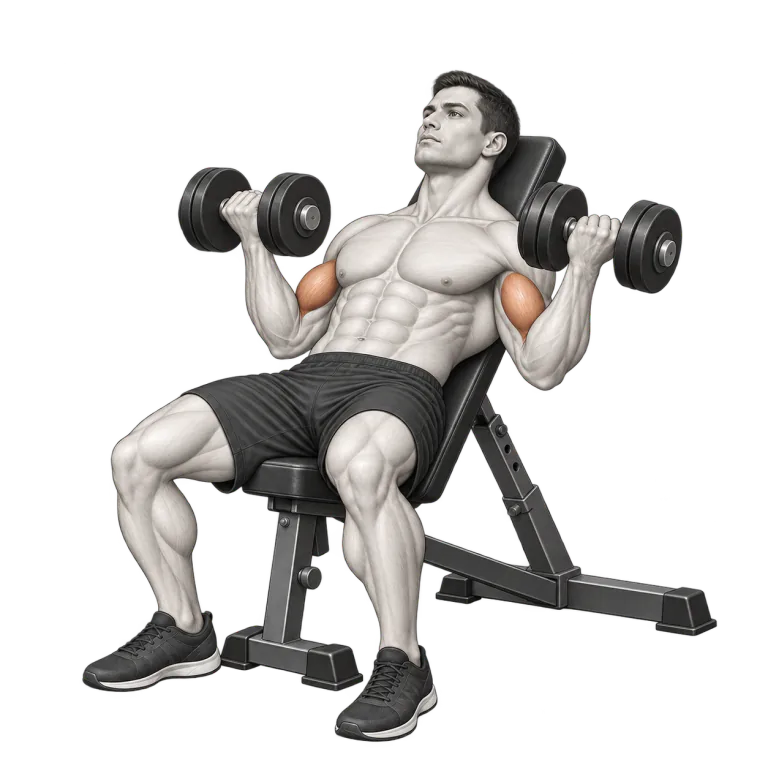
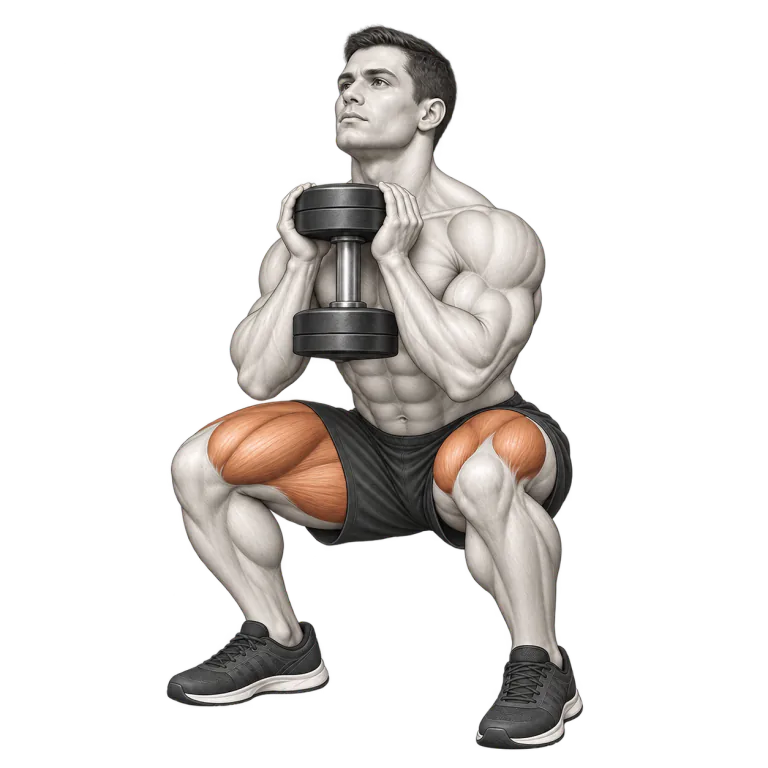
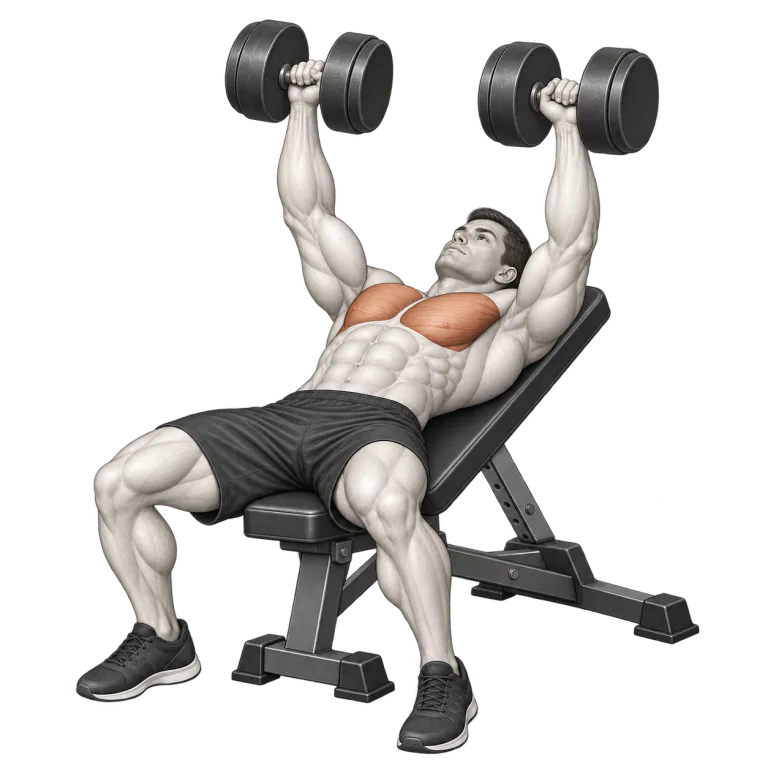
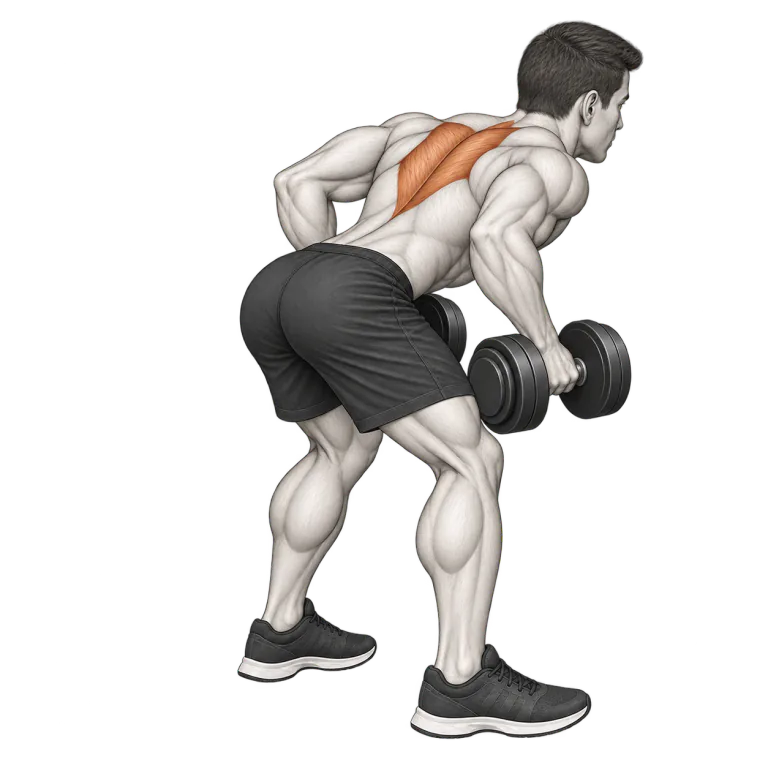
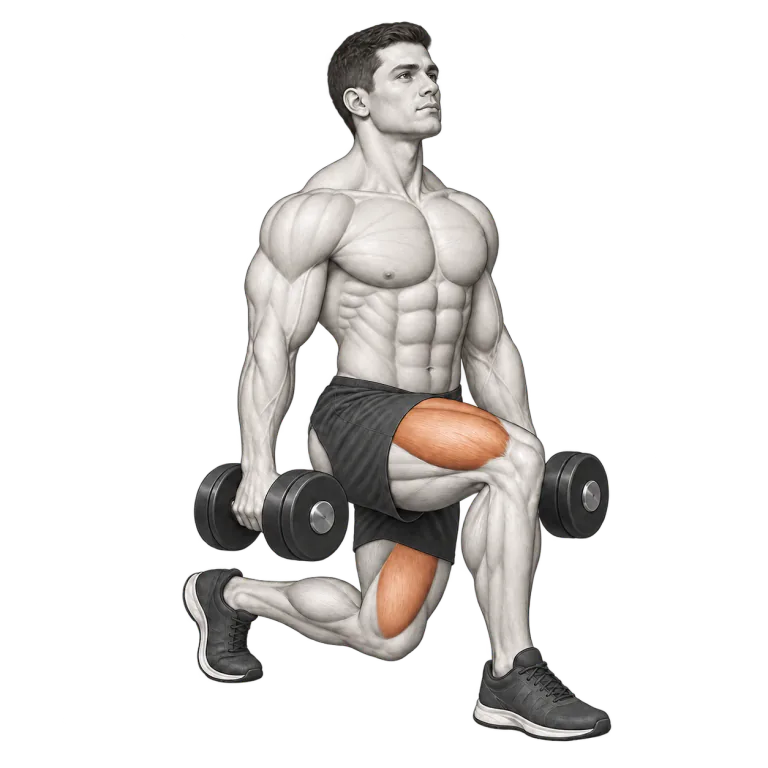
Dumbbells: goblet squat, incline, row
| Exercise | Sets × reps |
|---|---|
| 3 × 8–122 min rest | |
| 3 × 8–122 min rest | |
| 3 × 8–1290 s rest | |
| 2 × 10–1290 s rest | |
| 2 × 12–1560 s rest | |
| 2 × 10–1560 s rest |
New lifters, people coming back after a break, and anyone who can only train three times a week. Training each muscle often, with moderate volume per session, is how beginners learn the movements fastest, and it leaves four days a week for rest, other sports and life.
Each session opens with a big compound lift while you’re fresh, then moves to smaller exercises. Leave a day between sessions; any three non-consecutive days work.
Start lighter than you think, with weights you could lift for two or three more reps than the range asks. Then use double progression: once you reach the top of the range on every set, add 2.5 kg (5 lb) for upper-body lifts or 5 kg (10 lb) for squats and deadlifts next session.
Beginners can usually add weight every week for several months. When a lift stalls for two or three sessions, repeat the weight until every set is clean, then try again. Write down every set so you always know what to beat.
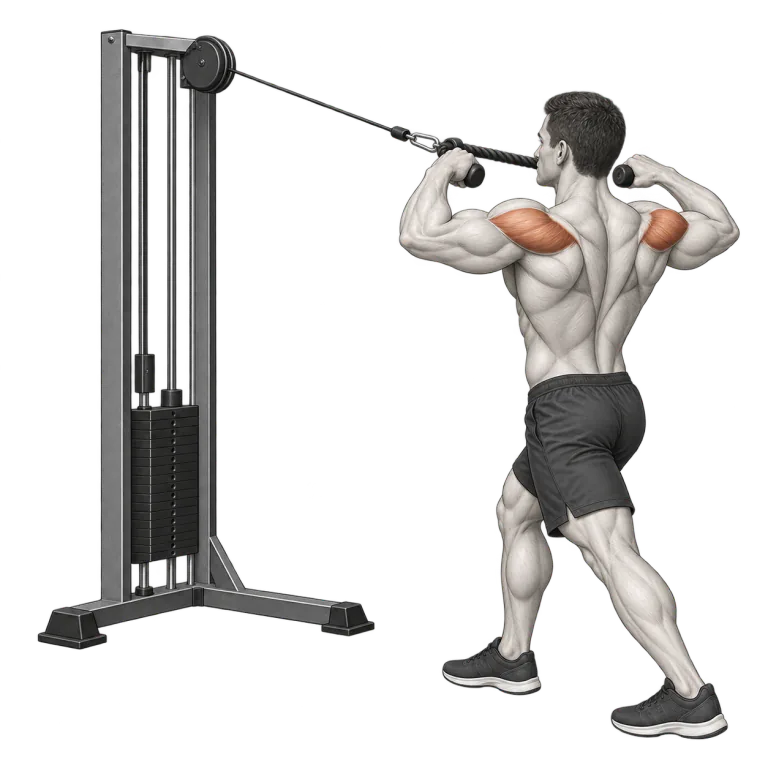
Day C already uses dumbbells only. To run the whole program at home with dumbbells, a bench and a pull-up bar, swap squats for goblet squats, deadlifts for dumbbell stiff-leg deadlifts, the pulldown for pull-ups or chin-ups, and the cable row for a dumbbell row. The training split generator builds that version for you.
In the app
Full body is one of Lifterly’s built-in training styles, and every exercise above is in its library, with a demo video.
Open the planner and pick Monday, Wednesday and Friday
Build the three sessions with these exercises, or let Lifterly Pro generate full-body sessions from your level and equipment
Log as you lift: Lifterly remembers your last weights, so you always know what to beat
Questions
Yes, especially for beginners and intermediates. Each muscle is trained three times a week, which adds up to enough weekly sets for steady growth when you keep adding weight or reps.
It’s better not to: the same muscles need about 48 hours to recover. Any three days with a rest day between each session work, like Monday, Wednesday and Friday.
When you can train four days and progress has slowed on most lifts, usually after six months to a year. The upper/lower program is the natural next step.
Two upper and two lower sessions a week: a strength day and a volume day for each half of the body.
Read moreWhich plates go on each side for the weight you want, with your bar, collars and plates.
Read morePick your training slots; Lifterly builds each session from your goal, equipment and last results.
Read more