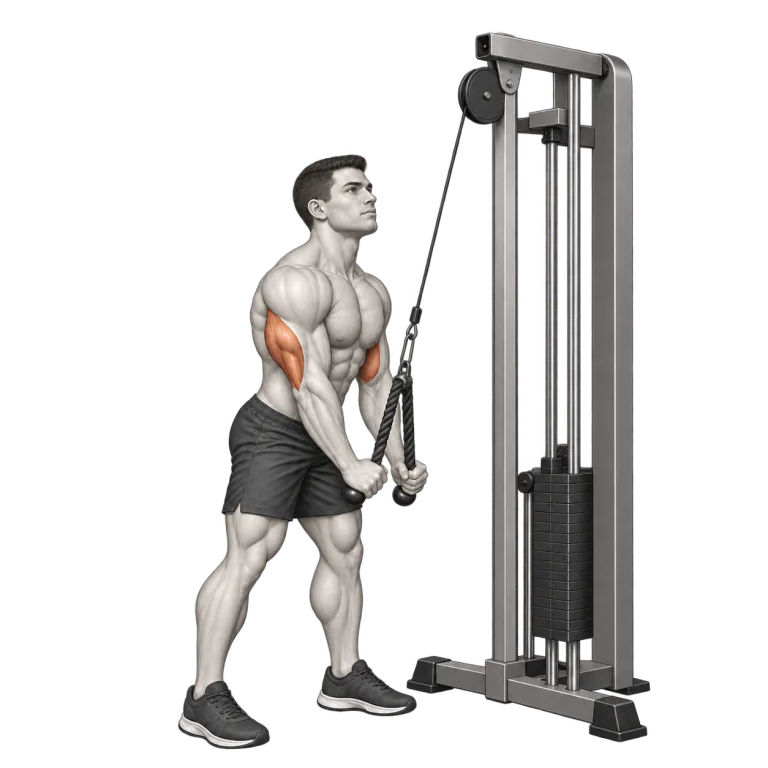
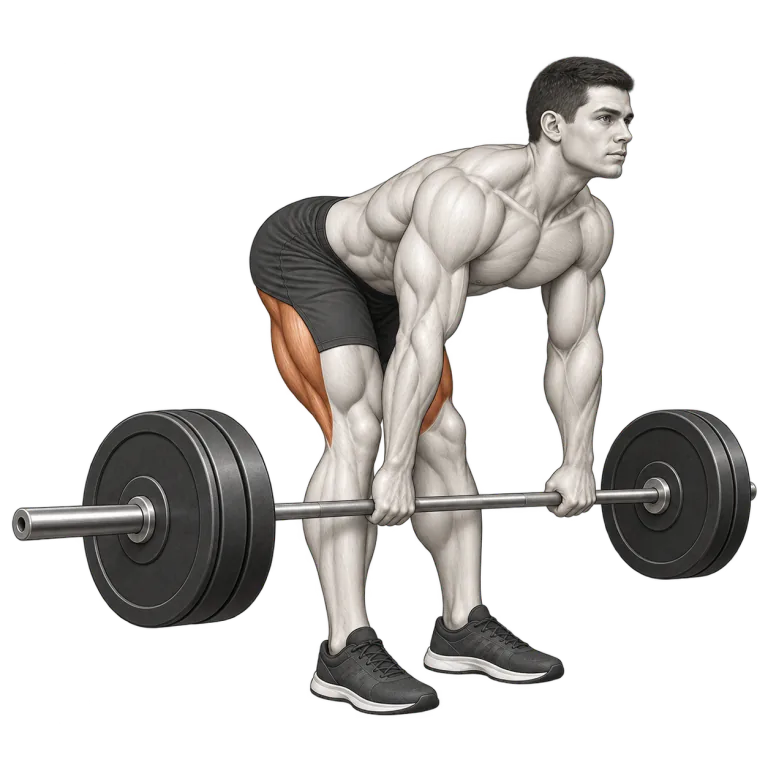
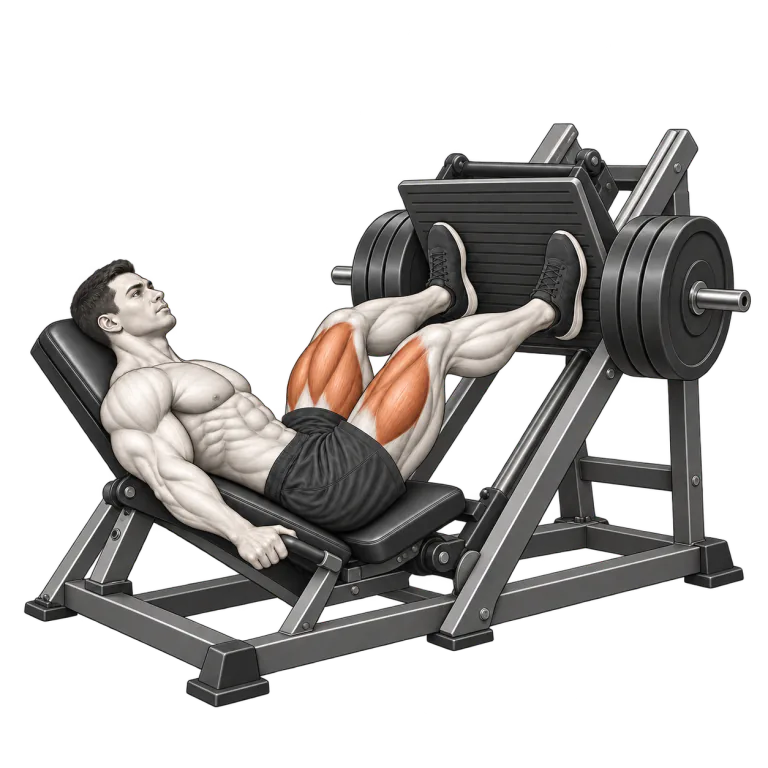
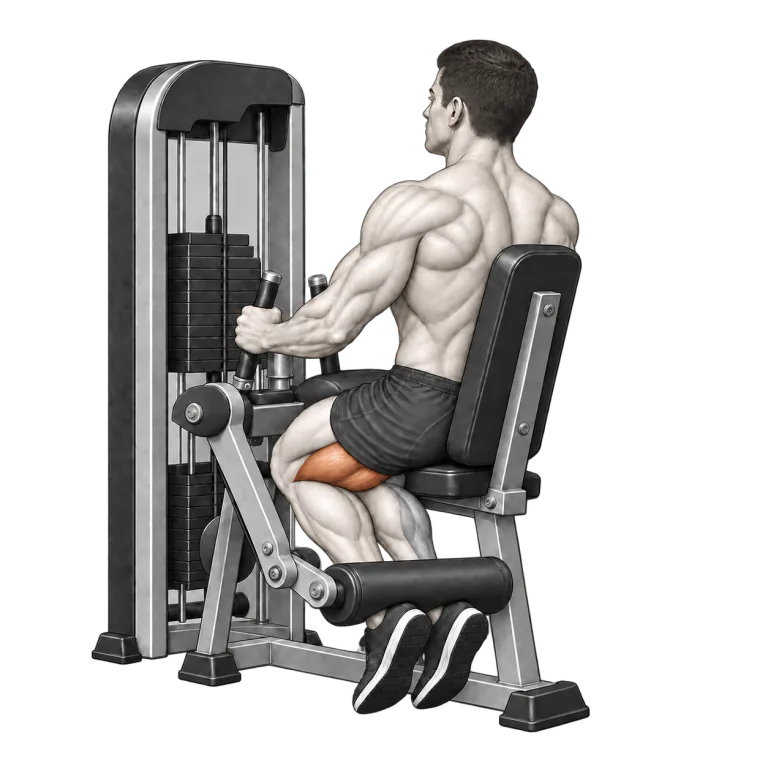
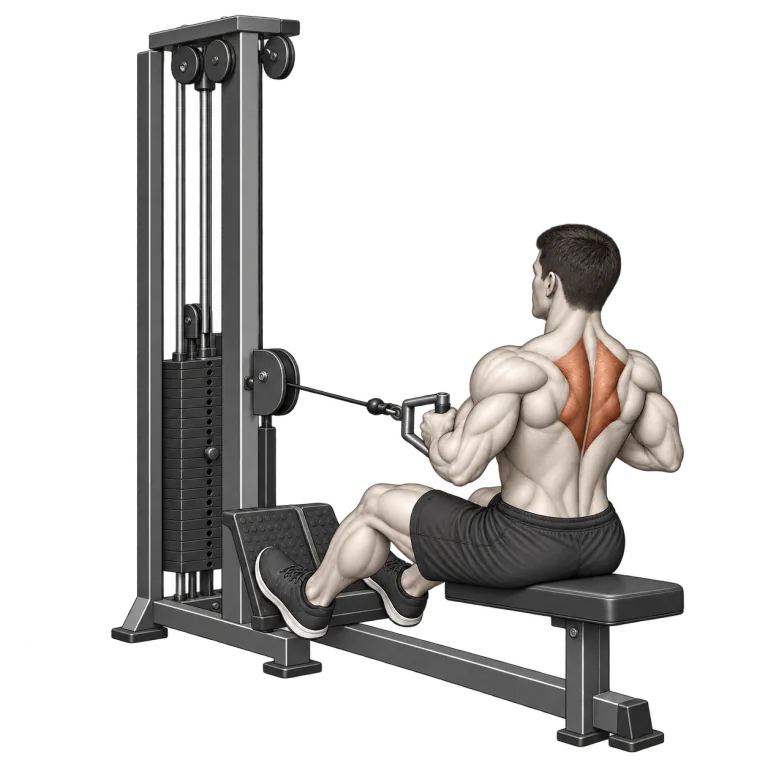
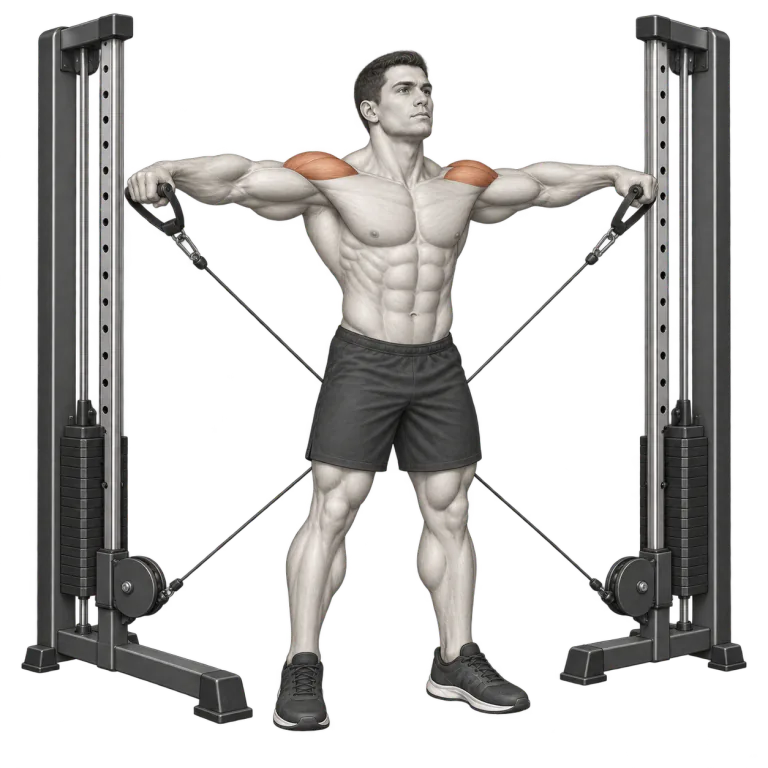
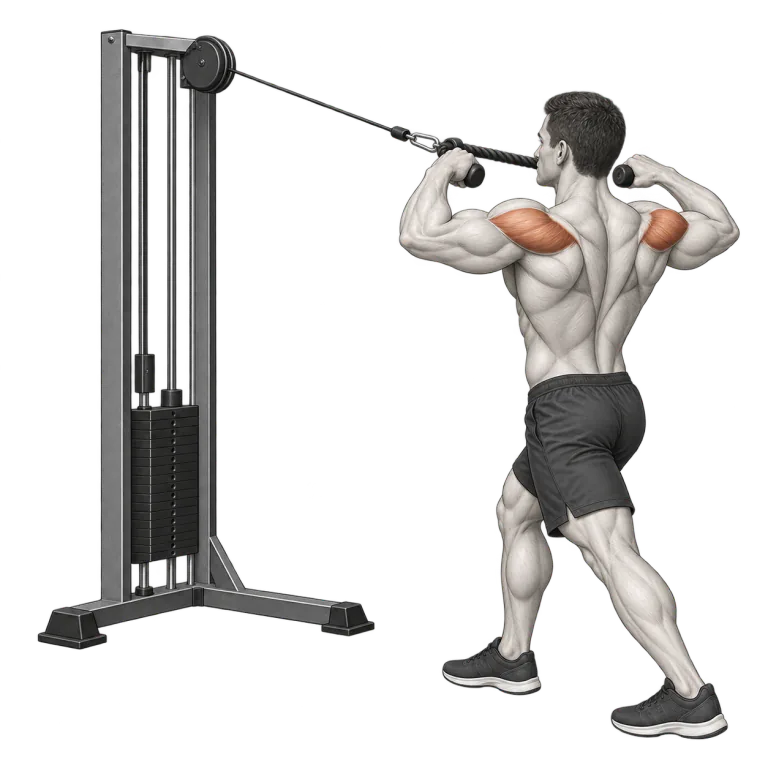
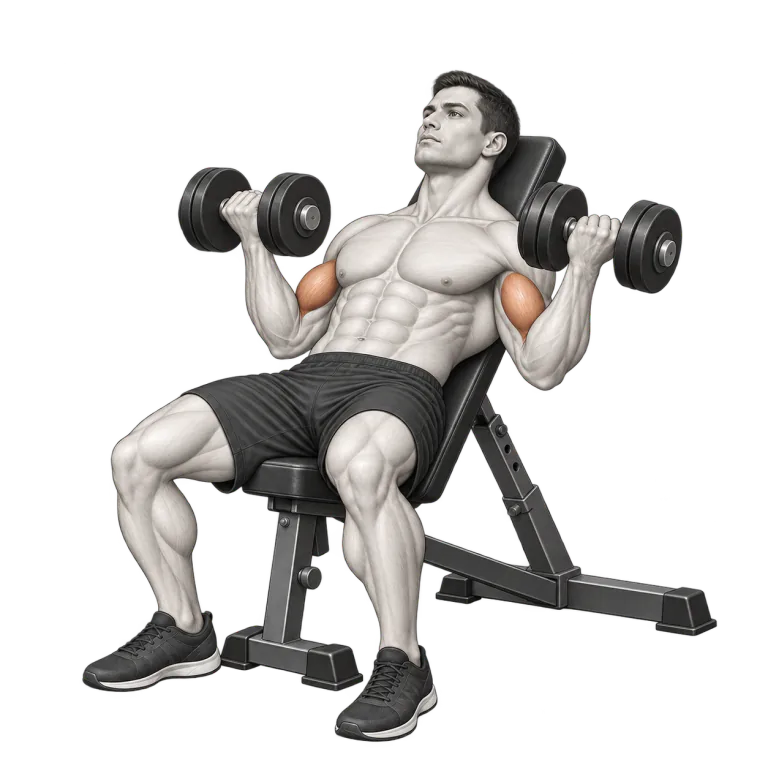
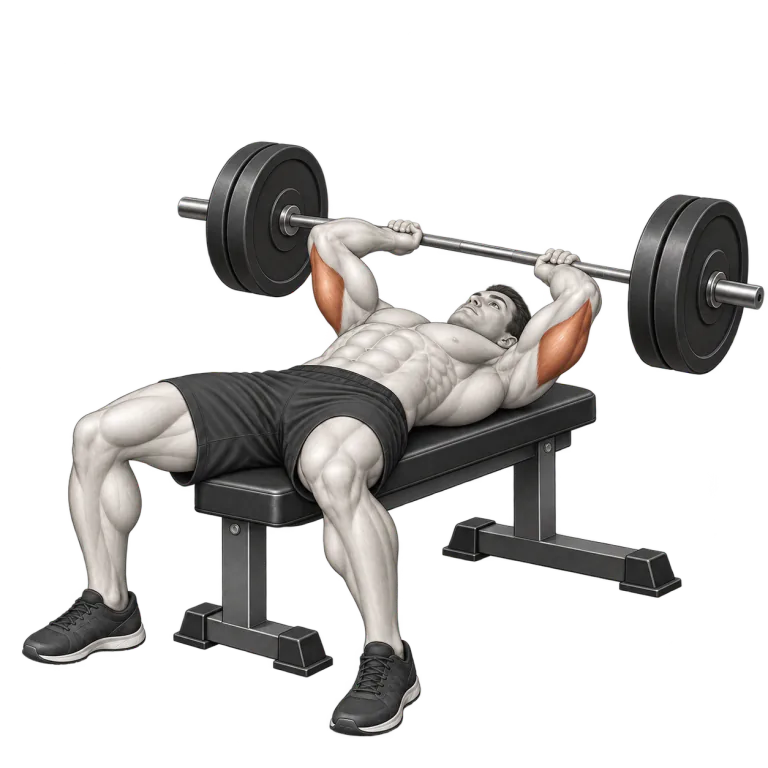
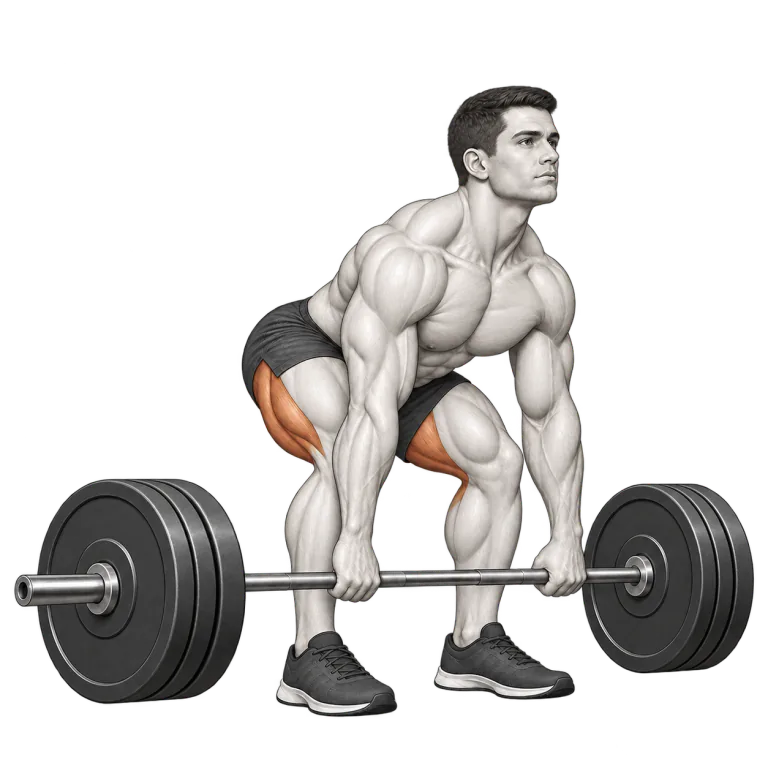
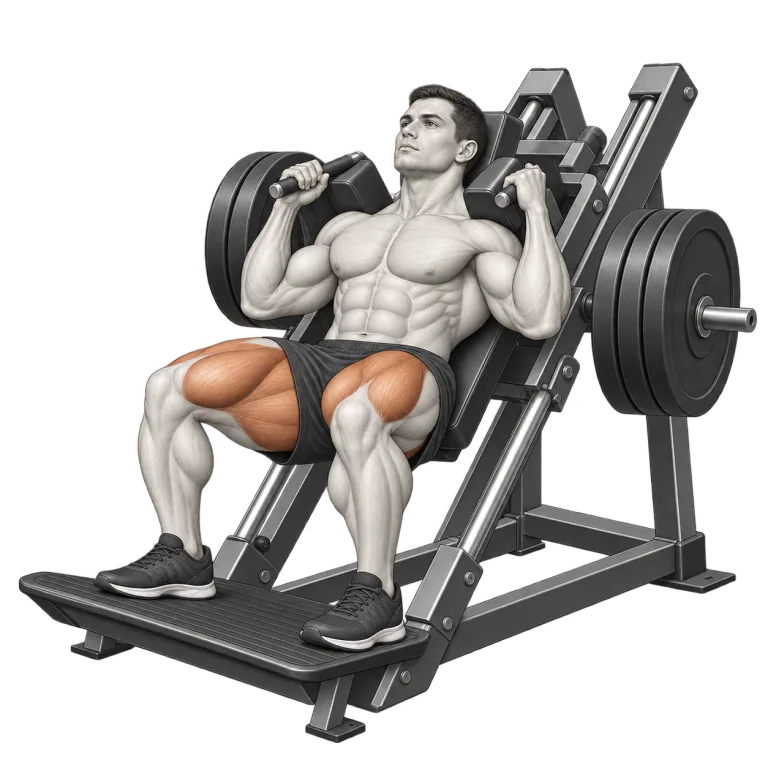
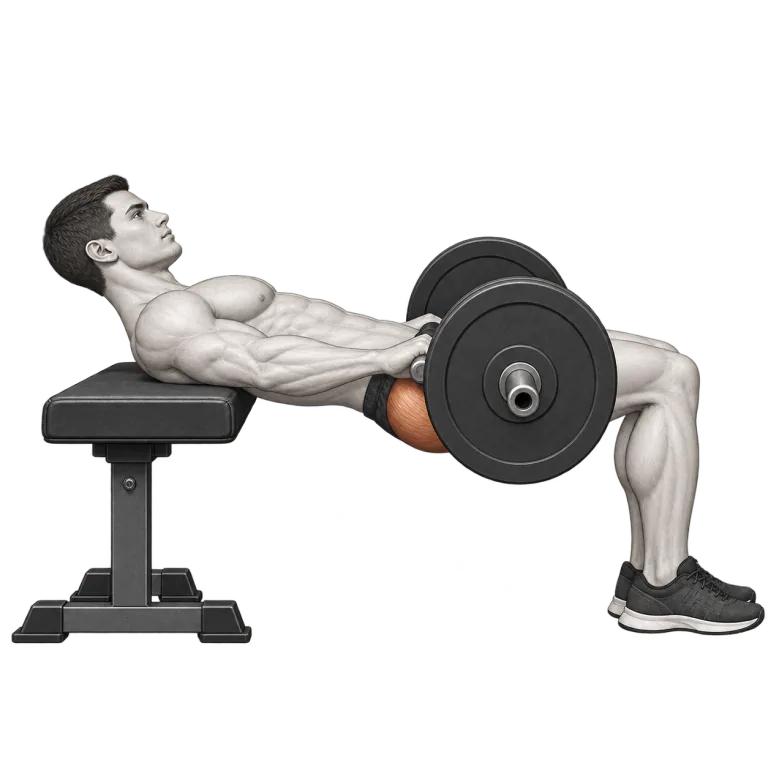
Upper A.
Strength: bench and row
| Exercise | Sets × reps |
|---|---|

| 4 × 4–63 min rest | |
| 4 × 6–82.5 min rest | |
| 3 × 8–102 min rest | |
| 3 × 8–1290 s rest | |
| 2 × 10–1260 s rest | |
| 2 × 10–1560 s rest |
Free program · Upper/lower
Monday and Thursday for the upper body, Tuesday and Friday for the legs. Each half of the body gets a strength-focused day and a volume day, so every muscle is trained twice a week in sessions of about an hour, with three full rest days.
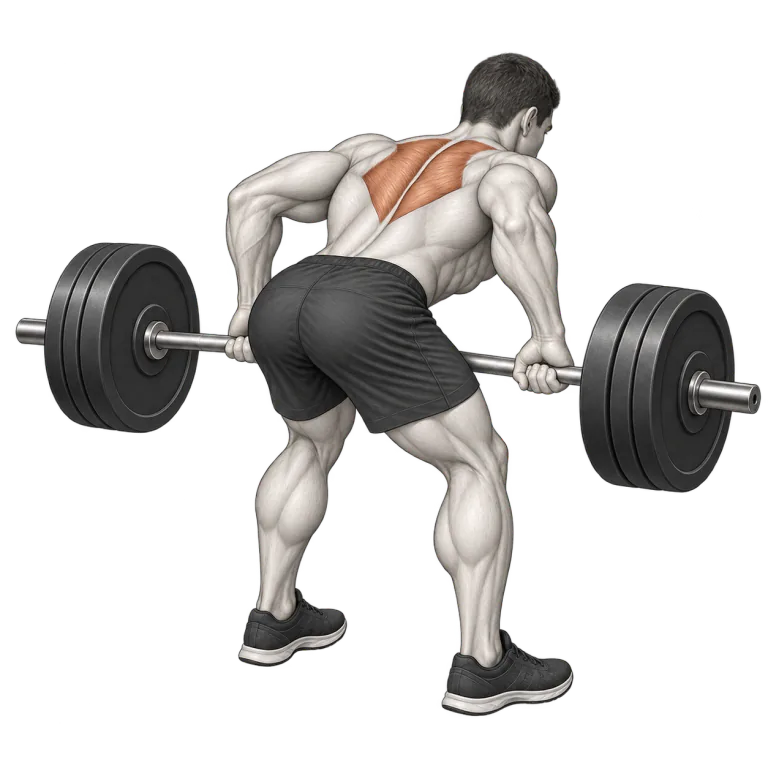
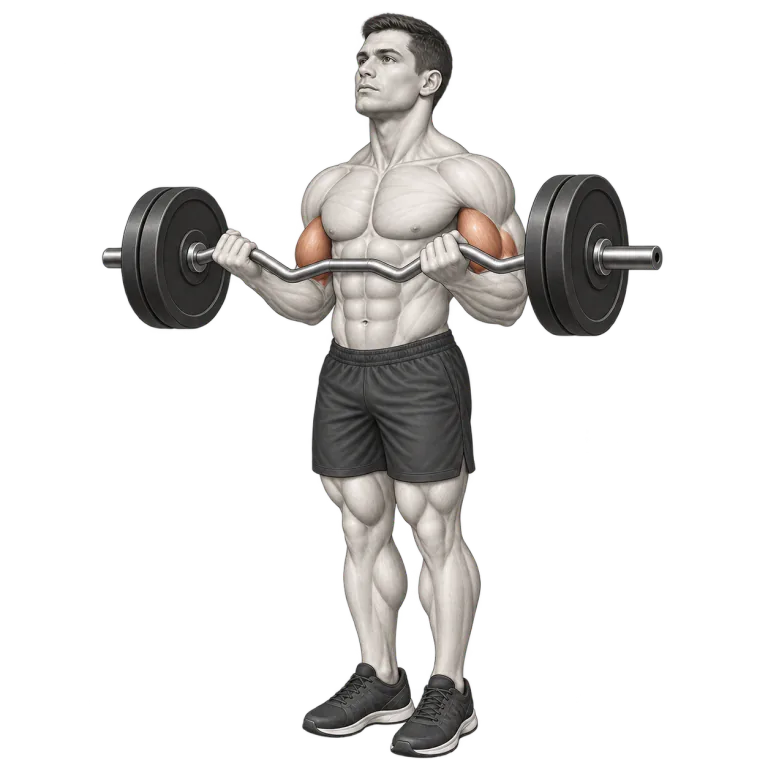
Strength: bench and row
| Exercise | Sets × reps |
|---|---|
| 4 × 4–63 min rest | |
| 4 × 6–82.5 min rest | |
| 3 × 8–102 min rest | |
| 3 × 8–1290 s rest | |
| 2 × 10–1260 s rest | |
| 2 × 10–1560 s rest |
Strength: squat
| Exercise | Sets × reps |
|---|---|
| 4 × 4–63 min rest | |
| 3 × 6–102.5 min rest | |
| 3 × 10–122 min rest | |
| 3 × 10–1275 s rest | |
| 3 × 10–1560 s rest | |
| 3 × 30–45 s60 s rest |
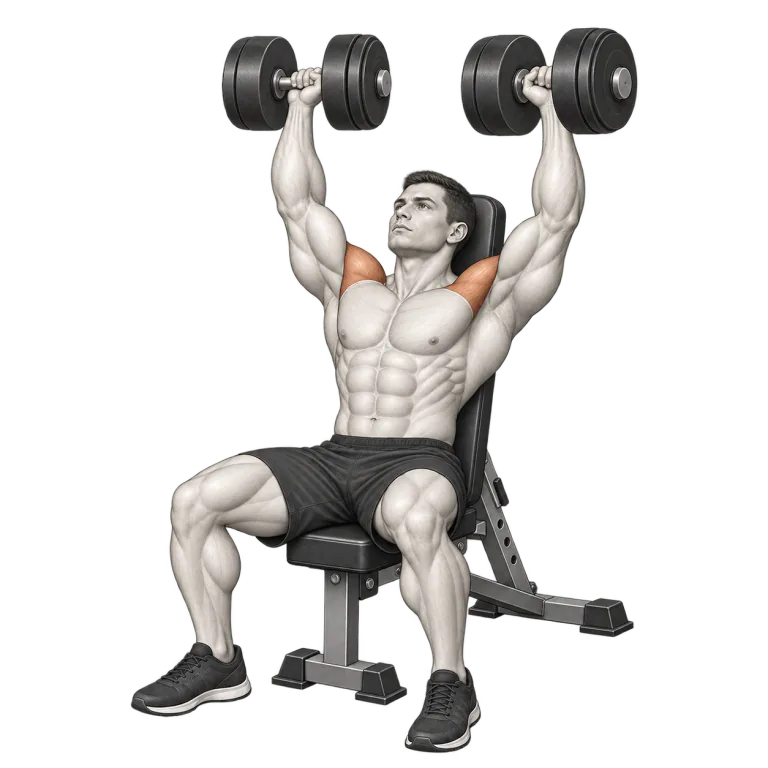
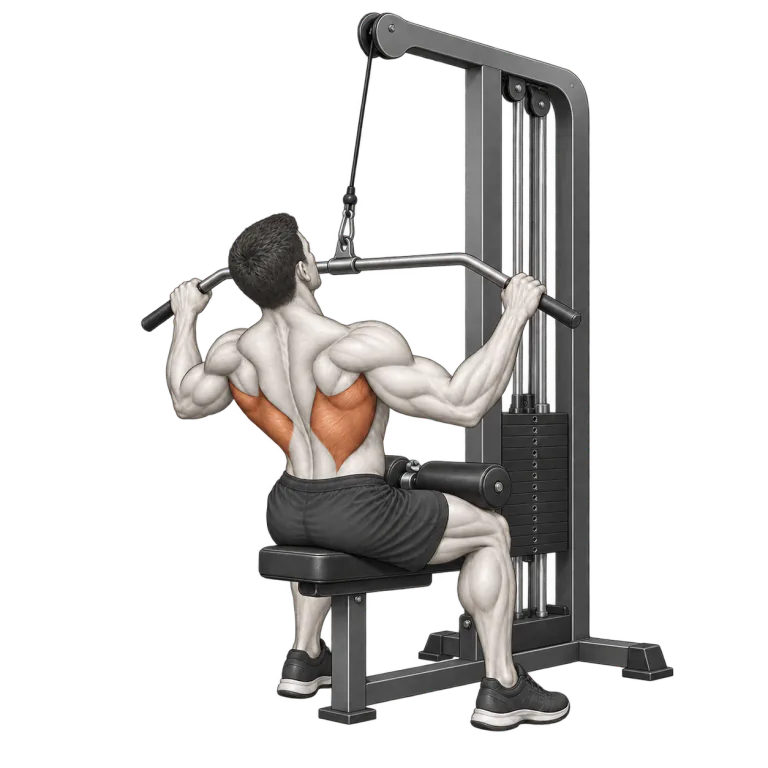
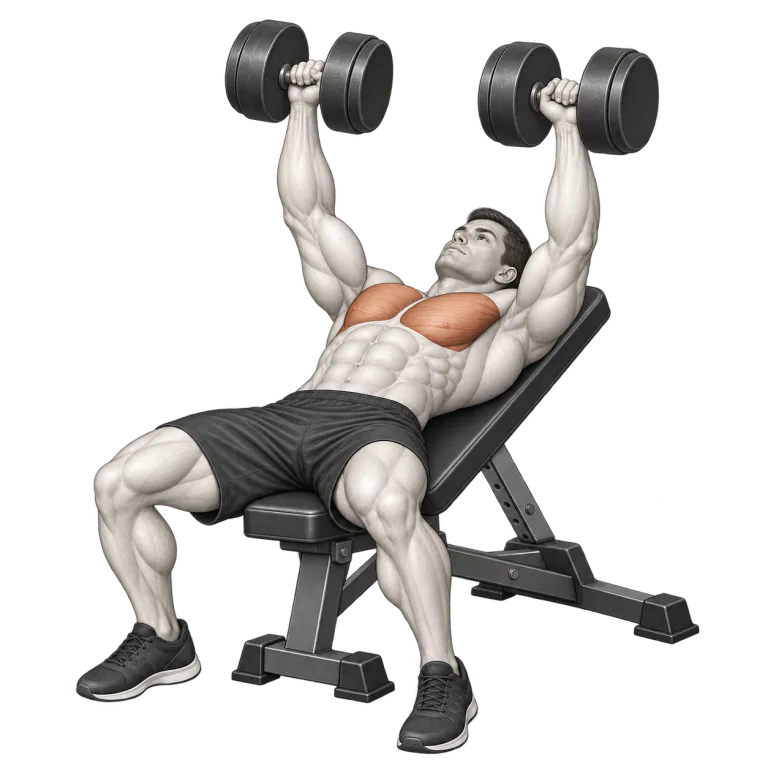
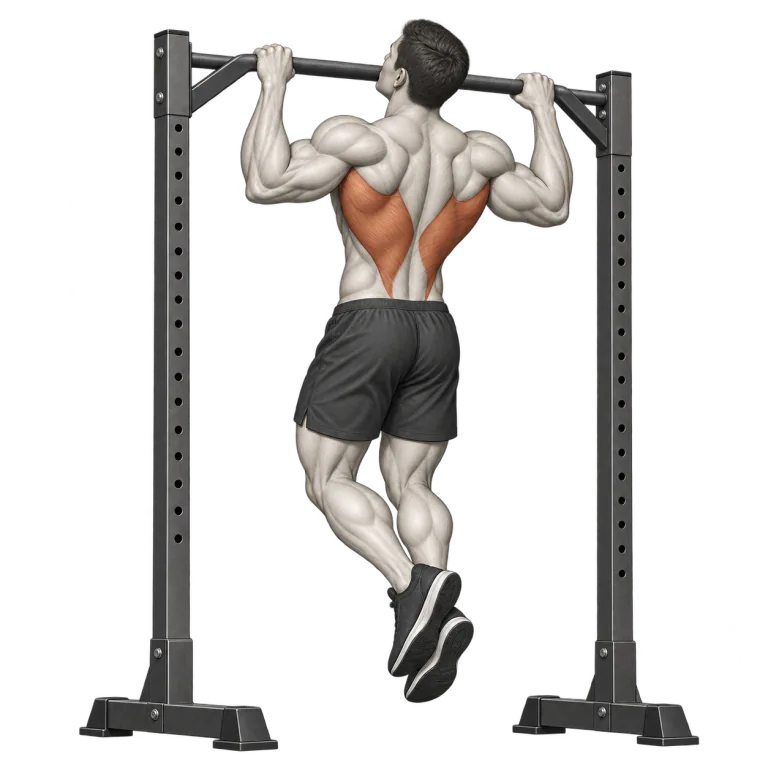
Volume: incline and pull-ups
| Exercise | Sets × reps |
|---|---|
| 4 × 8–102 min rest | |
| 4 × 6–102 min rest | |
| 3 × 10–1290 s rest | |
| 3 × 12–1560 s rest | |
| 3 × 12–1560 s rest | |
| 2 × 10–1260 s rest | |
| 2 × 10–1260 s rest |
Strength: deadlift, then volume
| Exercise | Sets × reps |
|---|---|
| 3 × 3–53 min rest | |
| 3 × 8–102.5 min rest | |
| 3 × 8–122 min rest | |
| 3 × 10–1290 s rest | |
| 2 × 12–1560 s rest | |
| 3 × 12–1560 s rest |
Upper/lower is probably the most versatile split there is. It fits lifters who can train four days, from late beginners to advanced: the heavy days drive strength on the main lifts, the volume days build muscle, and three rest days keep recovery manageable next to work and life.
Only three days? Rotate the four sessions in order across your week (Upper A, Lower A, Upper B, then Lower B the next week), or try the 3-day full body program.
On the first exercise of each A day, the heavy one, add weight whenever all sets reach the top of the range with good form: 2.5 kg (5 lb) on bench and rows, 5 kg (10 lb) on squats and deadlifts. On everything else, use double progression: add reps within the range first, then weight.
Keep the heavy lifts one or two reps short of failure; push the last set of isolation work harder. If a lift stalls for three sessions in a row, drop the weight by about 10% and build back up.
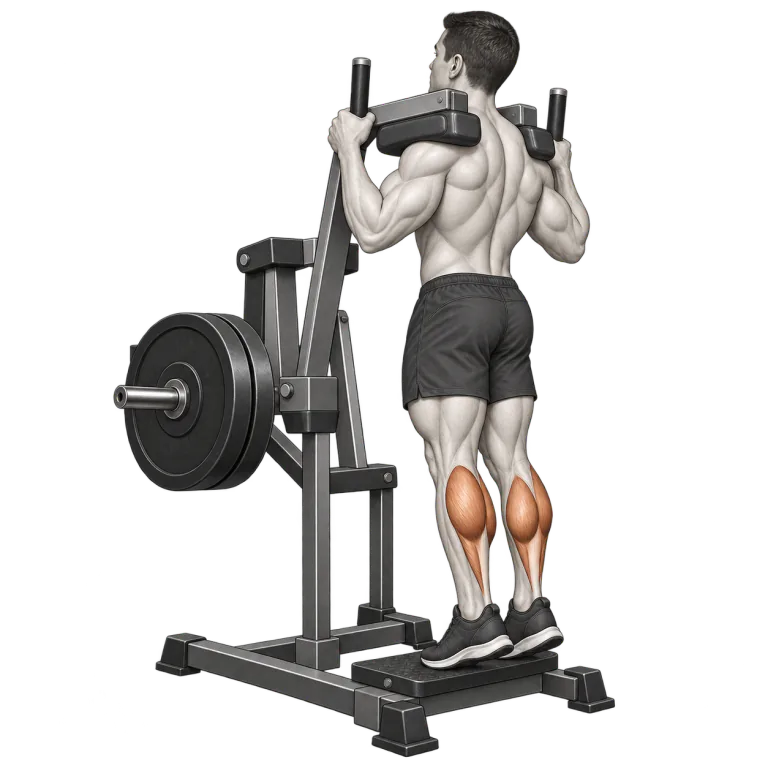
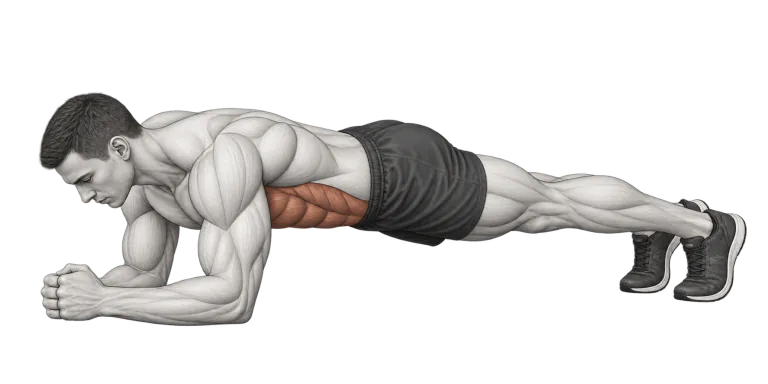
Every barbell lift has a dumbbell version in the exercise library: dumbbell bench press, dumbbell row, goblet squat, dumbbell stiff-leg deadlift. No hip thrust station? Do Bulgarian split squats or dumbbell step-ups instead. For a home version of the whole week, use the training split generator.
In the app
Upper/lower is one of Lifterly’s built-in training styles, and every exercise above is in its library.
Open the planner and pick four slots, two upper and two lower
Build each session with these exercises, or let Lifterly Pro generate them in the Upper/Lower style from your history
Log as you lift: rest timers start themselves, and Lifterly keeps your best set on every exercise
Questions
Yes. Training each muscle twice a week with enough sets is one of the most reliable setups for muscle growth, and upper/lower does exactly that in four sessions.
Upper/lower if you train four days, push/pull/legs if you train six. Both train each muscle twice a week; PPL spreads the work over more, shorter-themed sessions. See the push/pull/legs program.
Yes, that’s how this program is laid out: the two halves of the body recover independently, so Monday–Tuesday and Thursday–Friday work well.
The classic PPL split, run twice a week: a heavier day and a volume day for each pattern.
Read moreEstimate your max from any set of up to 12 reps, with a percentage chart for your next block.
Read moreLog sets in a tap, rest on a timer, and see every lift’s history. Free, with no limit on workouts.
Read more